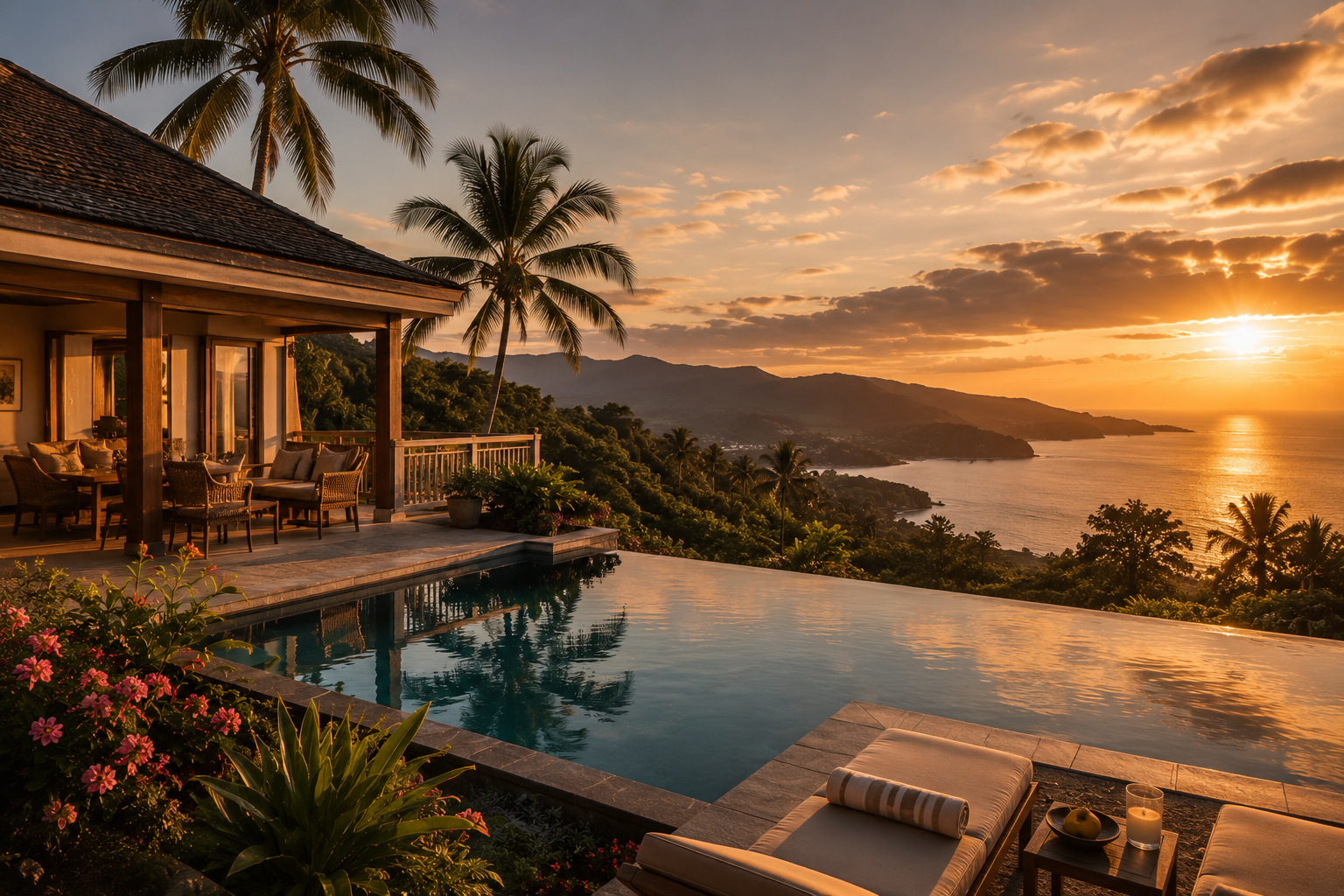
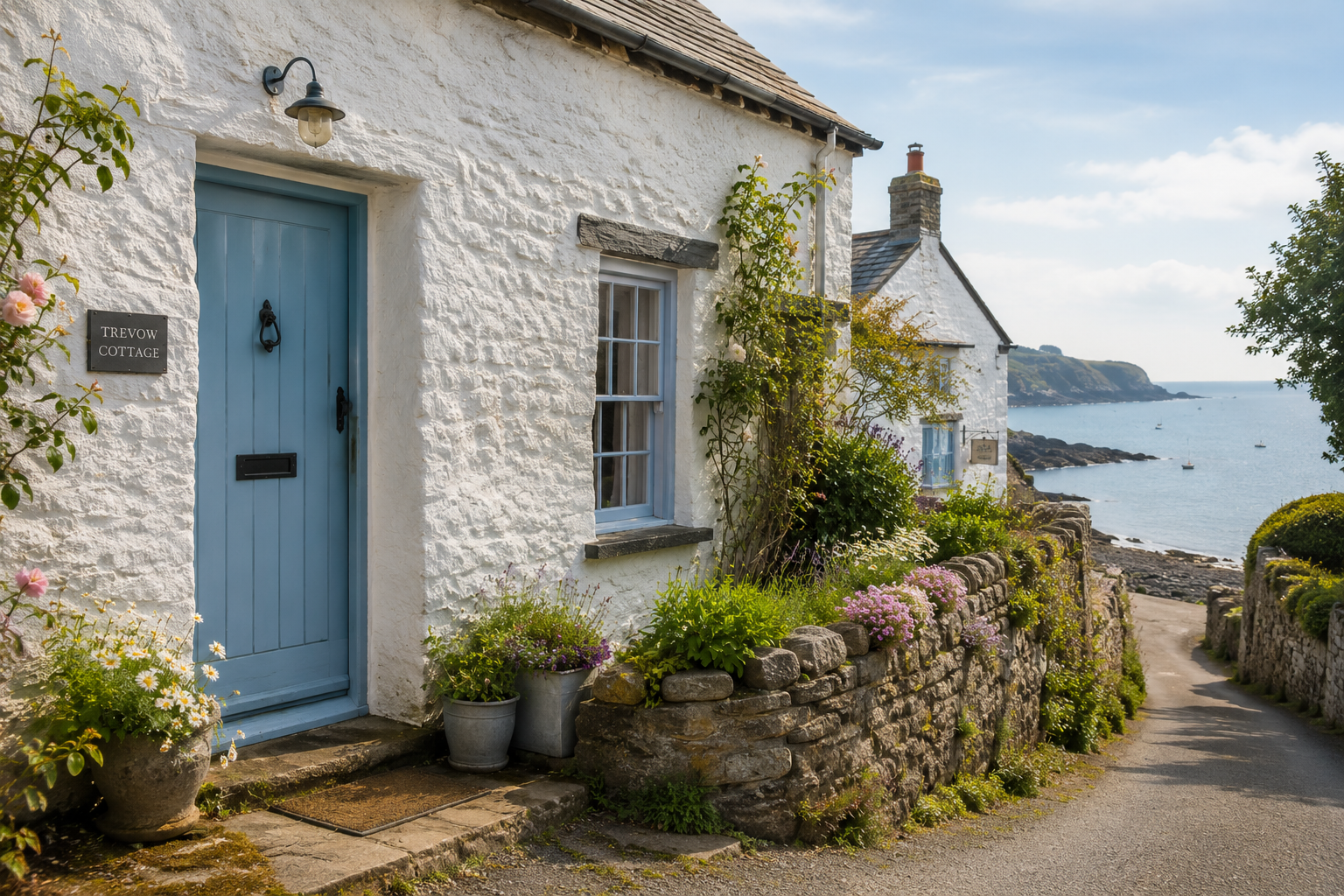
For most of the last twenty years, the story of British coastal holidaymaking was a story of slow decline. The bucket-and-spade resorts of the postwar boom — Blackpool, Skegness, Margate at its low ebb — drifted out of fashion as cheap flights opened up the Mediterranean. But something has shifted in the last decade. A new generation of design-led coastal rentals, scattered from Cornwall up to the Outer Hebrides, has quietly remade what a UK seaside holiday can look like. The British coast, on the high end at least, is having a renaissance.
What's driving the shift
Three things have happened at once. First, the cost of long-haul holidays has risen sharply enough that even mid-market British holidaymakers are reconsidering domestic options. Second, the standard of UK coastal rentals has improved out of all recognition — what used to be a damp caravan or a tired B&B is now, in the better examples, a small architect-renovated fisherman's cottage with proper insulation, a serious kitchen, and a wood-burner. Third, the design press has caught up. Coastal Cornwall, north Norfolk, south Devon, and increasingly the Suffolk coast appear in interiors magazines as often as the Cotswolds now.
The combined effect is that travellers who would once have flown to Portugal or Croatia for a coastal break are increasingly staying in Britain. And the properties they're booking are pulling the entire UK coastal rental market upwards.
Where the renaissance is happening
The pockets are specific. North Cornwall — Padstow, Port Isaac, the villages between — has been at the front of the wave for years. The Suffolk coast around Aldeburgh and Southwold has its own quieter version. North Norfolk between Holkham and Cromer is another hotspot. In the west, the south Pembrokeshire coast is now producing some of the most interesting design-led rentals in the country. And in Scotland, the Outer Hebrides have become a serious destination for travellers prepared to drive several hours from any airport.
What links these places isn't the weather — none of them can promise that. It's the quality of the building stock and the willingness of owners and architects to do something interesting with it. Stone fisherman's cottages, lighthouse keepers' houses, harbour-side warehouses, even old chapels — the inventory has always been there. What's changed is how it gets renovated and let.
What it means for inland regions
For inland holiday regions, including the Lake District, the coastal renaissance is both a competitor and a complement. Travellers who used to alternate between fells and abroad now have a third option: the British coast. The data suggests they're not abandoning the Lakes — they're adding the coast to the rotation, in the way that wealthy travellers a generation ago added the Cotswolds to their existing English schedule.
The upshot is a market where the entire top tier of UK holiday rentals is being lifted by what's happening on the coast. Standards inland are rising in response. The traveller who books a design-led cottage in north Cornwall in February is the same one looking for an equivalent in the Lakes in August — and they're not willing to settle for what passed for "good" a decade ago. For the better Lake District rentals, that's not a threat. It's a tailwind.